What is Ottawa Known For? 31 Reasons Why Ottawa is Famous
Are you wondering, “What is Ottawa known for?”
The answer is a bit multifaceted. For starters, the most famous landmarks in the city are the Rideau Canal and the iconic Parliament Hill.
Ottawa is also known for being the “most boring city in Canada,” which is why I wasn’t all that excited when moving here a few years ago.
But I ended up falling in love with the city, and I no longer think that’s a suitable nickname!
Living in Ottawa has given me a unique perspective on the city’s sights, sounds, and experiences. I think it’s a great destination for travelers looking for a fun, culturally rich holiday.
Here is what you should know about Ottawa and some of the best ways to spend time in Canada’s most underrated city!
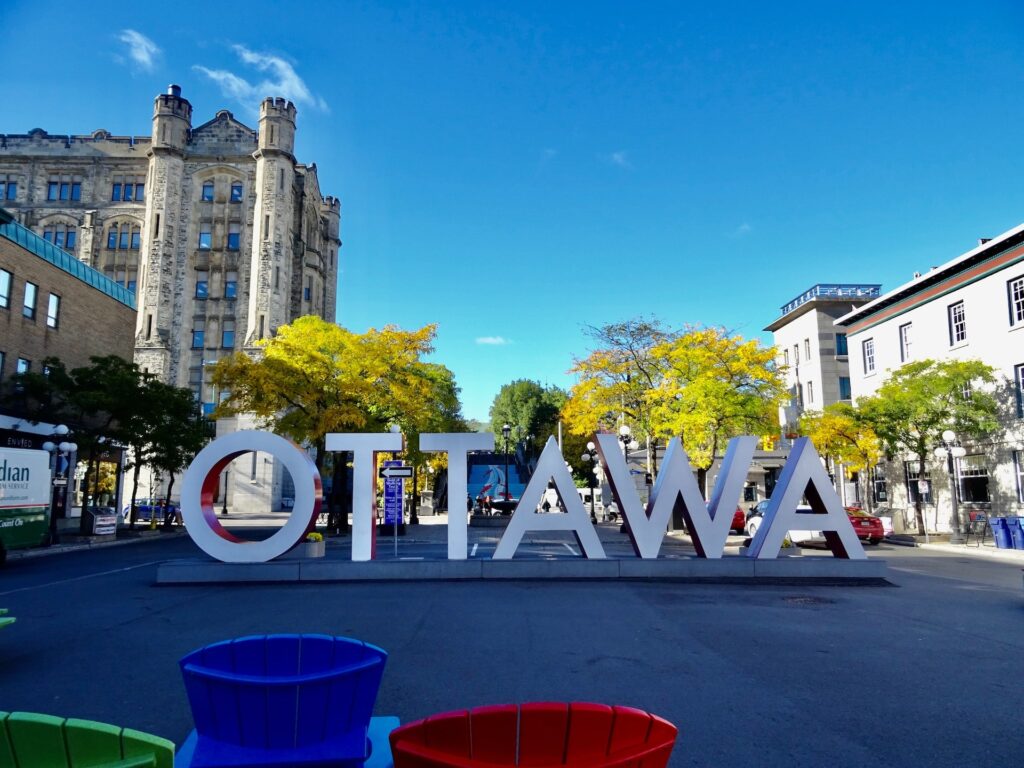
Key Facts: What is Ottawa Known For?
IMAGE: https://unsplash.com/photos/1tyWjPwKr3c
Short on time? Here are some of the most important Ottawa, Canada, facts to know:
- Ottawa is the capital of Canada and the fourth largest city in Canada.
- Ottawa Languages: English is the primary language spoken in Ottawa, with French as the official second language.
- Most Famous Places in Ottawa: Parliament Hill and Rideau Canal
- Local Pronunciation of “Ottawa”: Pronounced “ah-tah-wah” by locals. Odawa means “to trade” in the indigenous Algonquin language.
- Where in Canada is Ottawa?: Ottawa is located in Eastern Ontario, along the south bank of the Ottawa River.
- Ottawa Population: About 1 million
31 Things Ottawa, Canada is Known For
These are the most notable parts of Ottawa, and all together, they make up what Ottawa is known for.
The list will include some of my favorite activities, such as walking across the bridge to Gatineau, but also some of the most popular places to visit and well-known characteristics of Ottawa!

1. Parliament Hill
Parliament Hill is the iconic political center of Canada, where the impressive Gothic-style Parliament Buildings stand tall, overlooking the Ottawa River. Visitors like to attend the Changing of the Guard Ceremony as a way to immerse themselves in the country’s rich history.
Tragically, a devastating fire destroyed the original Centre Block of Parliament Hill in 1916. But miraculously, the Library of Parliament survived the blaze, thanks to its iron doors that protected the precious collection of books and documents.
I really enjoyed learning about Canada’s politics on this free walking tour.

2. Rideau Canal (And The World’s Largest Skating Rink!)
The Rideau Canal is one of the most well-known features in Ottawa, stretching over 200km from Ottawa to Kingston – and it’s a UNESCO World Heritage Site!
It was built in the early 19th century as a defensive system for British troops but has since become a major tourist attraction. Visitors can stroll along its banks, enjoy breathtaking views of its locks, and watch boats pass through them.
In the winter, it transforms into the world’s largest naturally frozen skating rink, over 7.8km long (4.8 miles)! Skating along the frozen canal is a quintessential Ottawa experience.
During summer, travelers enjoy strolls through the charming pathways or leisurely boat rides down the Canal.

3. Two Cities In One: Ottawa And Gatineau
Ottawa isn’t just one city – it’s two! Those who come to visit can walk from Ottawa to Gatineau on the Alexandra Bridge.
This bridge, built in 1901, connects the two cities and allows visitors to explore both sides of the river without leaving one city or the other.
You can find museums and art galleries in Ottawa, while Gatineau has many outdoor activities like skiing and kayaking. One of my favorite hikes in the area is in Gatineau. It’s an easy trail around Pink Lake, just under 5km (3.1 miles).
With the bridge connecting the two cities, there’s no need to worry about transportation either! As long as the weather is good, you can enjoy all that both cities offer on foot!

4. ByWard Market
ByWard Market, known simply as “The Market” to locals, is one of Canada’s oldest and largest public markets. It’s one of the best places to walk in Ottawa, and Ottawa is known for being one of the most walkable cities in the country!
You can buy local produce at the market and find unique gifts, souvenirs, and other specialty items. There are also tons of restaurants and cafes nearby where you can grab a bite to eat!
ByWard Market is right at the heart of Ottawa, with its main entrance facing George Street. It’s adjacent to Parliament Hill and very close to the Rideau Canal.
Also, while it is known as a bustling, touristy part of Ottawa, you’ll still find plenty of green spaces to relax for an afternoon.

5. Canadian Tulip Festival
Ottawa proudly hosts the renowned Canadian Tulip Festival each spring, which is even bigger than the one in Amsterdam!
This annual event holds significant historical and cultural value, stemming from the gift of 100,000 tulip bulbs from the Netherlands during World War II. These flowers symbolized gratitude for Canada’s critical role in providing a haven for the Dutch royal family.
The Canadian Tulip Festival is famous worldwide for its stunning display of colors and breathtaking beauty. Visitors can expect to immerse themselves in a mesmerizing landscape adorned with countless tulips, creating a sensory experience like no other.
If you want to see tulips in Ottawa, plan your visit during the peak bloom season (typically mid to late May). Commissioner’s Park, Major’s Hill Park, and Ottawa River Pathway are my favorite spots to see the tulips.

6. National Gallery Of Canada
The National Gallery of Canada is one of Ottawa’s most well-known attractions and a must-see for anyone planning a trip to the nation’s capital.
Established in 1880, the National Gallery is home to incredible art collections, showcasing Canadian and international masterpieces like “Maman” by Louise Bourgeois. There are also rotating exhibitions of other world-renowned artists.
If you want to know what Ottawa is known for in terms of art, you’ll find out at the National Gallery!
The National Gallery of Canada houses the “Maman,” a colossal spider sculpture created by renowned artist Louise Bourgeois. Standing over 30 feet (9 meters) tall, it is the world’s largest spider sculpture and has become an iconic gallery symbol.
7. Winterlude
The Winterlude Festival, one of Ottawa’s most popular winter festivals, takes place over three weekends in February and includes various activities.
Visitors flock to the Winter Wonderland Festival to experience ice sculptures, ice skating on the world’s largest skating rink (the Rideau Canal Skateway), tobogganing down hillsides, and snow tubing at the Snowflake Kingdom.
The festival also has several cultural events, including performances from local musicians, artists, storytellers, dancers, and acrobats.
Dress warmly because most of the events are outdoors!
8. Beavertails – A Quintessential Canadian Dessert
Beavertails are an icon in Ottawa, and no visitor should leave without trying one!
The Canadian specialty consists of fried dough pastries shaped like a beaver’s tail, topped with sweet treats such as sugar, cinnamon, Nutella, and even ice cream.
It’s especially popular in wintertime when visitors to the national capital region’s festivals enjoy it as an energy boost while enjoying outdoor activities.
Beavertails can be found all around Ottawa from many street vendors around the city!

9. Major’s Hill Park
Major’s Hill Park is one of the most beautiful parks in the city, providing a stunning view of Parliament Hill.
Major’s Hill Park features walking paths and gardens that offer respite from the hustle of downtown Ottawa. The park also hosts regular cultural events throughout the year, including outdoor movies, live music, and art installations.
10. National Arts Centre
The National Arts Centre is another iconic Ottawa landmark. The theater in downtown Ottawa hosts performances of all kinds, from classical and traditional music to theater and dance productions.
The National Arts Centre has unique architecture and vibrant programming. You’ll enjoy shows featuring world-renowned performers, workshops, and family events. It also serves as a hub for arts organizations in the city, helping to foster creativity and expression through its programs.
Whether you’re looking for a solo cultural experience or something to do with friends, the National Arts Centre offers something new and exciting each day.

11. Gatineau Park
Gatineau Park is arguably the most famous place in Ottawa (even though it’s not technically within the city limits). It’s just outside Ottawa in Quebec, a quick 15-minute drive from the Rideau Canal.
Once there, you can immerse yourself in nature via hiking trails, kayaking, camping, picnics on the lake, bird watching, and spotting wildlife. During the winter months, visitors can participate in cross-country skiing and snowshoeing.

12. Fairmont Château Laurier
One of Ottawa’s most celebrated treasures is the iconic Fairmont Château Laurier, a captivating blend of history and grandeur.
Standing majestically near Parliament Hill, this luxurious castle-like hotel has graced the city’s landscape since 1912, earning its place as a National Historic Site of Canada.
Its striking Gothic Revival architecture and French Renaissance accents make it an architectural marvel and a photographer’s favorite subject. Once a host to royalty, politicians, and celebrities, the Château Laurier’s storied past captivates visitors.
One of my favorite facts about Ottawa is that the Chateau’s founder and furniture shipment both sank on the Titanic!
13. Canadian Museum Of Nature
The Canadian Museum of Nature is one of the most visited attractions in Ottawa, and for good reason.
This museum is home to over 250,000 specimens of plants, animals, fossils, and minerals that tell the story of the natural world. You’ll find everything from breathtaking dinosaur fossils to live animal displays and interactive activities here.
The museum also offers educational programs for kids and adults throughout the year for those wishing to immerse themselves in the history and science surrounding Canada.
14. Ottawa International Animation Festival
The Ottawa International Animation Festival (OIAF) has been a staple of Ottawa’s culture for over 40 years.
As one of the world’s largest and most respected animation festivals, it showcases the best animation from around the globe, ranging from student films to big-budget features.
The festival hosts interactive panel discussions and live-action screenings with industry professionals. OIAF is an opportunity to view the best in contemporary and classic animation, bringing together industry professionals across Canada to network and collaborate on new projects.
No wonder it’s consistently regarded as one of Ottawa’s most popular cultural attractions!
15. Shawarma
To my surprise, this Middle Eastern dish has become abundant throughout the city.
Shawarma starts with grilled meat stacked and cooked on a spit. The meat is then shaved off and served with various sauces, vegetables, and pita bread.
Ottawa’s love for this Middle Eastern delicacy has made it a must-try local specialty.
16. Canadian War Museum
The Canadian War Museum is a popular attraction in Ottawa that has been part of the city’s identity for decades.
Located on the shores of the Ottawa River, this museum offers visitors an impressive collection of artifacts, art, and interactive exhibits about Canada’s military history.
Countless displays showcase uniforms, medals, and weapons from World War I to modern-day conflicts. The interactive exhibits are mostly live documentaries and virtual reality exhibits that bring the stories of Canadian war veterans to life.
Visitors can also take guided tours through the galleries, which many find a powerful experience that will give visitors a greater appreciation for our country’s history.
17. Sparks Street
Sparks Street is one of Canada’s oldest pedestrian streets, full of lively restaurants, bars, shops, and activities.
On any given day, you can find live music performances, art installations, and special vendors at the public markets. Some of the most unique shops include;
- The Snow Goose Gallary
- Canada’s Four Corners
- Howard Fine Jewelers.
Sparks Street hosts several festivals and events during the summer, such as Buskers on the Bay and Canada Day celebrations. Poutine Fest and the Jazz Festival are other favorite events on Sparks Street.
18. National Arts Centre Orchestra
The National Arts Centre Orchestra is one of the premier symphony orchestras in Canada.
Founded in 1969, the orchestra has toured around the world, performing its unique blend of contemporary and classical music.
The NAC Orchestra also works to nurture Canadian talent, having seen many of its members go on to become professional musicians.
Visitors to Ottawa can attend one of their outstanding concerts, which feature a wide range of pieces from Beethoven to Mozart.
19. Canada Day Celebrations
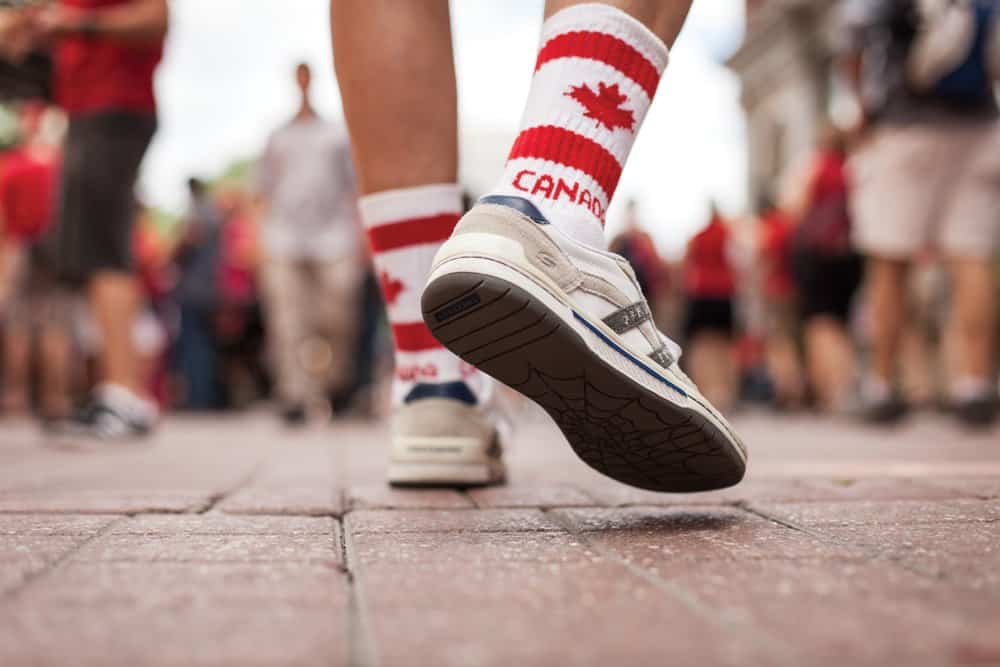
Canada Day is a national holiday in Canada celebrated every July 1st. Ottawa residents consider it one of the most exciting times in the city, with festivals, live music, and fireworks all taking place around Parliament Hill and other parts of downtown.
Travelers can experience the true spirit of Canada by attending these events. Enjoy watching the changing of the guard ceremony on the hill, exploring a variety of vendors selling Canadian merchandise, and listening to amazing performances.
For those looking for an extra special experience, there are interactive parades on both sides of the river with mascots and marching bands.
20. Haunted Walks
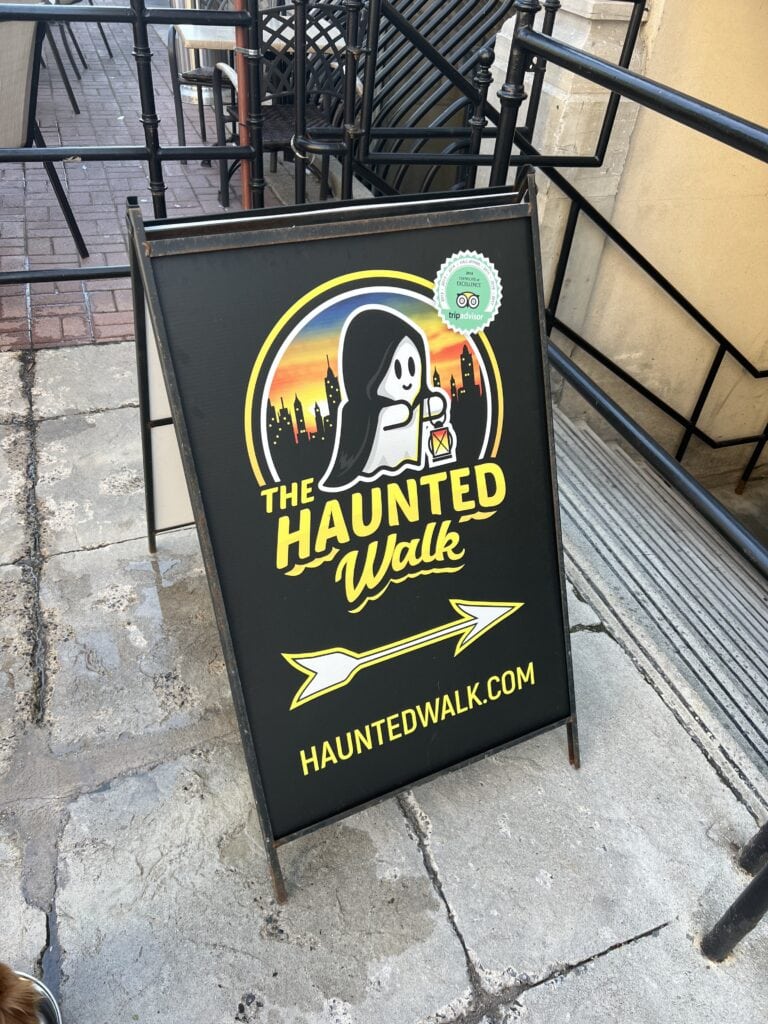
Are you into spooky and surreal experiences? There are a variety of haunted walking tours in Ottawa that explore some of the most haunted places in the city, from the Bytown Museum to the Rideau Chapel.
These tours share stories of hauntings, giving visitors a glimpse into Ottawa’s ghostly past. Some tours focus on specific neighborhoods, while others move through multiple districts.
Haunted walks have become increasingly popular, especially around Halloween, and offer an exciting way to learn about Ottawa’s history and discover some of its hidden gems.
21. Centennial Fountain
Located in Confederation Park, the Centennial Fountain was constructed in 1967 to commemorate Canada’s centennial anniversary.
The Centennial Fountain in Ottawa is famous for not freezing during winter despite the frigid temperatures. The fountain’s design and engineering prevent it from freezing over, allowing it to remain operational throughout the harsh Canadian winters.
22. Peace Tower Observation Deck
The Peace Tower, a prominent feature of Parliament Hill, contains a time capsule buried in its cornerstone. This capsule was placed during the tower’s construction in 1919 and is scheduled to be opened in 2077, marking Canada’s bicentennial.
Visitors can take an elevator ride to the top of the Peace Tower, which offers panoramic views of Ottawa and the surrounding area.

23. Northern Lights Sound And Light Show
In the evenings during the summer, tourists can enjoy the free “Northern Lights” sound and light show projected onto the Centre Block’s facade. The show showcases Canada’s history and most significant moments through multimedia.
Visitors can witness this awe-inspiring show that projects vivid displays of light and sound onto the walls of Parliament Hill.
From mid-July to early September, the show is projected on both sides of the Peace Tower, bringing Canada’s history to life through its unique story-telling approach.
24. No Skyscrapers
Until the 1960’s, it was unlawful to build a building taller than the Peace Tower, which stands at just under 100 meters (322 feet).
Despite the law no longer existing, only four buildings are taller than the Peace Tower, and the tallest is Claridge Icon at just 143 meters (469 feet).
The lack of skyscrapers in Ottawa is part of its charm. Instead of towering high-rises, visitors get a view of Parliament Hill surrounded by greenery and fields. The city’s skyline consists primarily of small residential homes and landmarks like the Château Laurier Hotel and the Peace Tower.
25. Rich Indigenous Heritage
The name “Ottawa” originates in the Algonquian language, spoken by the indigenous Odawa people, who originally occupied the region.
The word “Odawa” means “to trade” or “to buy and sell,” reflecting their historical role as skilled traders.
The Odawa people, along with other Algonquian-speaking tribes, were crucial intermediaries in the fur trade between European traders and other indigenous nations. Their extensive trading networks facilitated the exchange of goods, ideas, and culture across the continent.

26. Coldest Capital City
Ottawa is one of the coldest capital cities in the world. The city experiences extreme temperatures during both summer and winter- a phenomenon known as seasonal lag.
In the winter, temperatures can dip below 30°C (- 22°F), while in summer, they can reach over 30°C (86°F) due to humidity levels.
Endearingly, you’ll find that residents are keen to keep their spirits up during the cold with various winter festivals and outdoor activities.
27. Green Capital
Ottawa is also renowned for its commitment to sustainability and being a ‘green capital.’ In recent years, the city has significantly invested in renewable energy, public transportation, and green infrastructure.
The city has adopted the goal of becoming carbon-neutral by 2050, with local businesses and residents contributing to this effort.
Ottawa’s many parks and green spaces provide plenty of opportunities for outdoor recreation, making it an attractive destination for nature lovers.
28. Hockey: The World’s Largest Tournament And Ottawa Senators
Hockey is an integral part of Ottawa’s culture, and the city takes immense pride in its hockey teams.
The annual Bell Capital Cup, the world’s largest ice hockey tournament, takes place in Ottawa and draws thousands of spectators each year.
Ottawa is also home to the Ottawa Senators, a professional NHL team that has been playing since 1992 and continues to be a beloved part of the community.
29. Royal Canadian Mint
The Royal Canadian Mint was established in Ottawa in 1908 in what was then called ‘Bytown’ and continues to print all coins of Canada!
It is also responsible for producing commemorative coins and medals to honor important Canadian people, places, and events.
You can tour the Mint, see how coins are made, and pick up souvenirs at their shop.
30. Largest Bilingual City In Canada
Ottawa, Canada’s largest bilingual city, with 36% of its population speaking both English and French, is renowned for its cultural diversity and vibrant atmosphere.
This linguistic blend offers a unique experience for travelers, allowing them to fully immerse themselves in a rich bilingual environment.
31. Silicon Valley Of The North
The term ‘Silicon Valley of the North’ is often used to describe Ottawa, Canada’s capital city.
This nickname speaks to the tech-focused and innovative spirit that exists in the city, a spirit that has been gaining recognition in recent years for producing world-leading software companies, start-ups, research labs, and many more.
This innovative mindset makes it an exciting time for residents living and working in Ottawa!
FAQs About Ottawa
What Cities Are In Ottawa, Canada?
Ottawa is the fourth largest city in Canada, located near cities such as Gatineau, Kingston, and Montreal. Other cities within the Ottawa-Gatineau region include Kanata, Nepean, Barrhaven, Orléans, Manotick, Stittsville, and Cumberland.
Why Is Ottawa The Capital Of Canada?
Ottawa is the national capital due to its location between Upper and Lower Canada. The city offers a neutral site for the Houses of Parliament, and it’s easily accessible from both the Great Lakes and the St. Lawrence River.
What Food Is Ottawa Known For?
One of Ottawa’s most famous culinary exports is the beaver tail, a fried dough pastry topped with sugar and other sweet toppings. Another popular dish is poutine, combining french fries, cheese curds, and gravy.
What Are The Famous Things About Ottawa?
Ottawa is most famous for the Rideau Canal, Parliament Hill, Gatineau Park, and several large festivals, including Winterlude in February and Tulip Festival in May.
What Are 5 Interesting Facts About Ottawa?
Some interesting facts about Ottawa, Canada are:
- It’s the 4th largest city in Canada.
- It’s the capital of Canada.
- The Rideau Canal is North America’s oldest continuously operated canal system.
- It’s home to the largest tulip festival in the world.
- There are legal graffiti areas located around the city.
Why Is Ottawa So Popular?
Ottawa’s popularity is due to its rich history and culture. As the Capital of Canada, Ottawa is home to heritage sites like Parliament Hill and the Rideau Canal, impressive art galleries, museums, and large festivals throughout the year.
What Language Do They Speak In Ottawa?
English is the official language in Ottawa. With its bilingual heritage, however, many people in Ottawa are also fluent in French.
Final Thoughts
The capital city of Canada is most famous for the Rideau Canal, a UNESCO World Heritage Site that turns into the world’s largest outdoor skating rink in the winter.
Any local will also tell you that Parliament Hill, Byward Market, and the National Gallery of Canada are all must-see places if you visit Ottawa.
Furthermore, Ottawa has several festivals, like Winterlude and Tulip Festival, that attract thousands of visitors each year!
Now that you know what Ottawa is known for, make sure to check out all of the fun things to do in Ottawa when you visit!
Read More About Ottawa
- Local’s Ottawa Pronunciation Guide: How to Pronounce “Ottawa”
- What is the Primary Language in Ottawa, Canada?
- Is Ottawa in Quebec?
- Is Ottawa tap water safe to drink?
- How to Get From Ottawa Airport to Downtown Ottawa
- Where to Stay in Ottawa: 13 Best Neighbourhoods and Hotels
- Is Ottawa a Province?
- How Many Days in Ottawa is Ideal?
- Best Grocery Stores in Ottawa: Where to Shop in Ottawa
- 71 Fun Facts About Ottawa Canada
- 12 Best Ottawa Hotels With Jacuzzi In Room
- Is Ottawa a Good Place to Live? 27 Pros & Cons
- 22 Best Hotels in Ottawa with Pools
- What is the Drinking Age in Ottawa?
- Is Ottawa Worth Visiting? (Local’s Guide)
- What is Ottawa Known For? 31 Reasons Why Ottawa is Famous
- Ottawa Trip Budget Calculator to Plan Your Dream Trip
Ottawa Travel Planning Guide
🚑 Should I buy Ottawa travel insurance?
100% YES! — There’s a misconception that Canada has “free healthcare” for everyone. Nope! Only Canadians. So you’ll need to get travel insurance to visit Ottawa. I recommend this one.
💧Can you drink the tap water in Ottawa?
Yes – ish — While you can technically drink the tap water in Ottawa, as a local I don’t recommend it. Old hotels especially can have some nasty things in their pipes. Instead, get a filtered water bottle. (Read more)
🚙💨 Do I need to rent a car in Ottawa?
Yes — Renting a car in Ottawa is one of the best ways to get around! You’ll be able to see more of the city and beyond, like the epic hiking trails. I recommend Discover Cars for the cheapest rates possible.
📲 Do I need to know French in Ottawa?
Nope! — The primary language of Ottawa is English. While French is also spoken and on some signs, you can easily get by without knowing any French. (Read more)
🏩 What’s the best way to book my Ottawa accommodations?
For Ottawa hotels, Booking is the best site. If you’re considering an Ottawa Airbnb, don’t forget to also check VRBO, which is often cheaper than Airbnb. My #1 hotel recommendation in Ottawa is the Fairmont Chateau Laurier.
✈️ What’s the best site to buy Ottawa flights?
For finding cheap Ottawa flights, I recommend Skyscanner. You can even set a price alert to find out when flights are on sale.
🎫 Do I need a Visa for Ottawa?
Likely Not — U.S. and most European Passport holders don’t need a Visa to visit Canada.
📍 Where is Ottawa? And what’s nearby?
Ottawa is the capital city of Canada, located in Ontario. It’s right on the border of Quebec. It’s about 2 hours from Mont Tremblant, 3 hours from Montreal, or 5 hours from Toronto. You can take a road trip to get to other places or fly.
